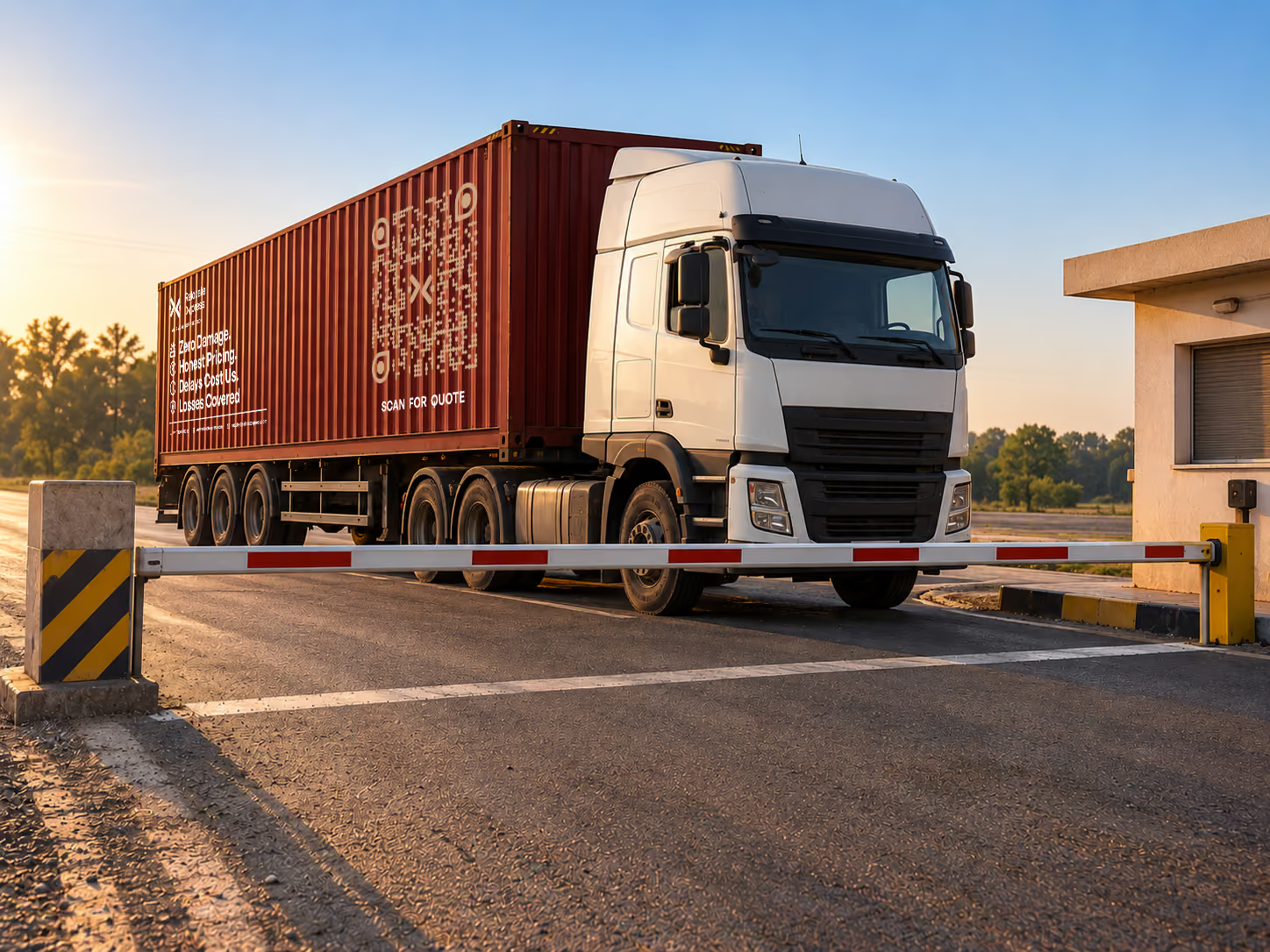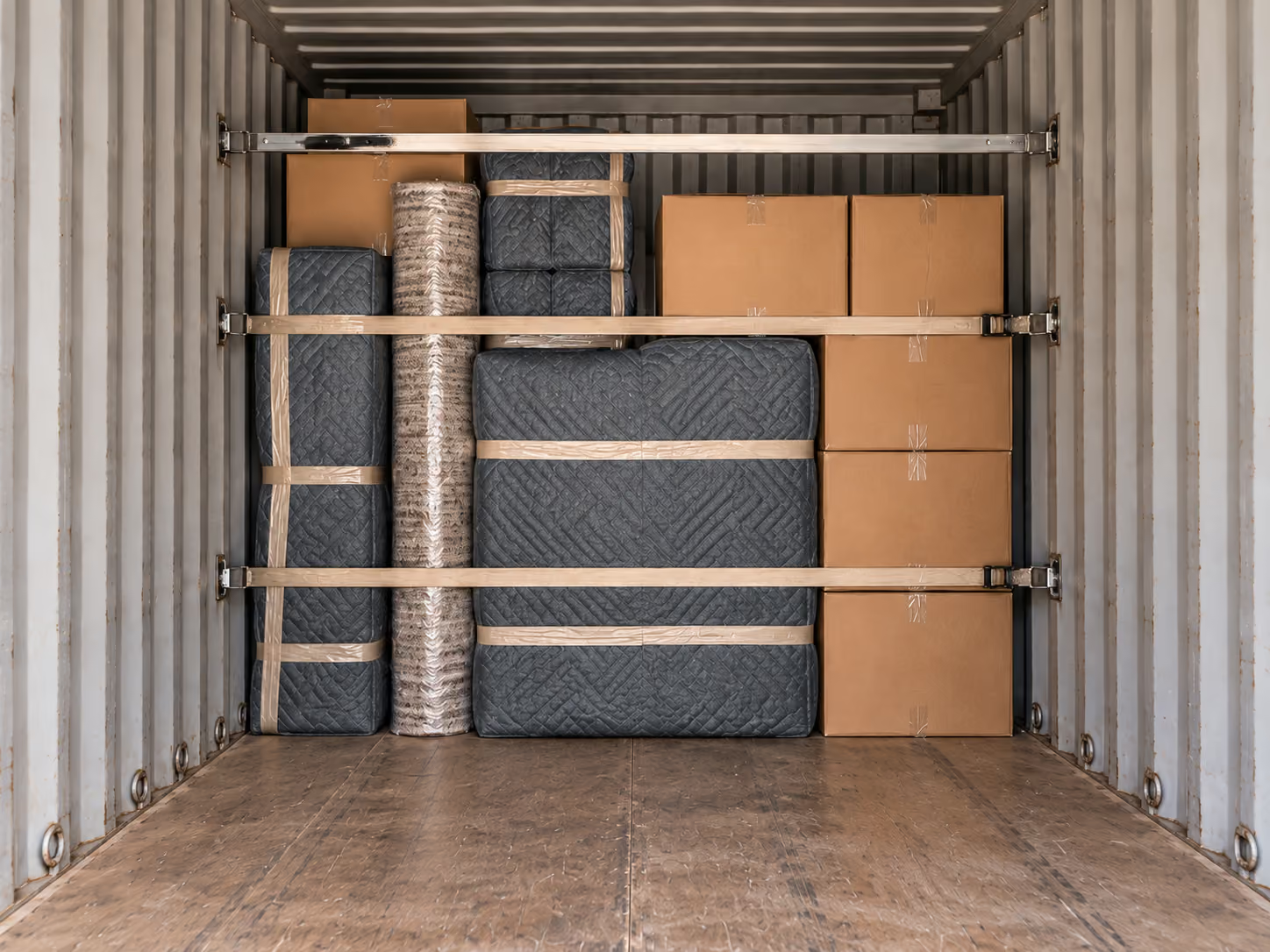
Driving a car to a new city sounds simple until you count the cost: fuel and tolls over a long distance, thousands of kilometres of wear, two or three days of someone’s time, and the risk of a breakdown on an unfamiliar highway. A covered carrier moves the car without any of that; that is our car transport service.
This guide explains how car transport between cities works, what is recorded before the car moves, and what to have ready on the day.
Covered, Not Driven
Your car travels on a covered carrier, protected from rain, dust and road debris. It is held in place by wheel straps that grip the tyres, not by chains on the chassis, so there is no pressure on the body or the suspension.
The car is never driven between cities. Our crew drives it only the short distance needed to load and unload it.
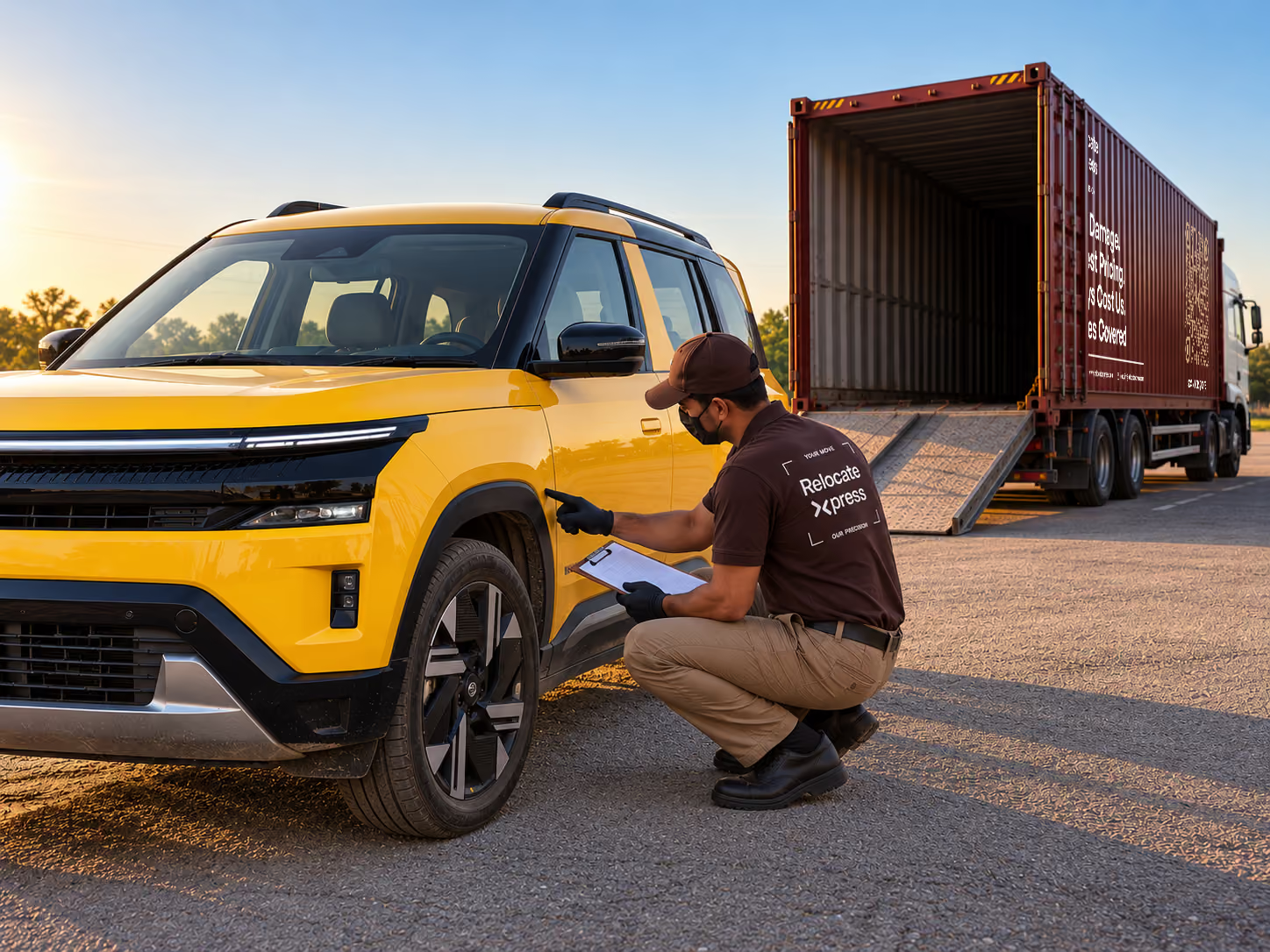
The Pre-Inspection Report
Before the car is loaded, a pre-inspection report is prepared with you. It records:
- Every panel, photographed from all sides, with any existing scratches, dents or chips noted
- The odometer reading, photographed at loading and again at delivery
- The fuel level
- Accessories and loose items, such as the spare wheel, the jack, floor mats and any music system
At delivery, the same report is used to check the car. The odometer photograph shows the car was not driven, and the panel photographs show its condition when it left you.
Walk around the car with the crew while the report is made. Point out anything you know about, such as an old scratch on a door, so it is recorded. A complete report protects both of us.
What to Have Ready
- The registration certificate (RC), original or a copy as required
- A valid insurance policy copy
- Your identity proof
- A no-objection certificate from the financier, if the car is on a loan, where your bank requires one
- Spare keys, if the car will be collected by someone else at the destination
Keep the originals of important documents with you, and give the crew copies unless they need the original for the journey.
Preparing the Car
- Run the fuel down. A quarter tank or less is enough to load and unload, and less fuel means less weight and less risk.
- Empty the car. Remove personal belongings, documents, valuables and loose items from the cabin and the boot. Items left in the car are not part of the inventory.
- Wash it a day before. Scratches and dents are easier to see and record on a clean car.
- Check the battery and tyres. The car must start and roll for loading.
- Switch off the alarm, or tell the crew how to disable it.
- Fold the mirrors and remove anything that sticks out, such as a roof carrier or an aerial that unscrews.
Where the Car Is Loaded
A carrier is a large vehicle, and many city lanes and basements cannot take it. Where the carrier can reach your address, the car is loaded at your door. Where it cannot, such as a low basement or a narrow lane, the car is brought to the nearest point the carrier can reach, or to our branch yard, and loaded there.
The surveyor confirms the loading point before the quote, so there are no surprises on the day.
How Long It Takes
Transit time depends on the route, as our guide to transit time on a long corridor explains. On our route pages, a car moving from Bangalore to Chennai typically arrives in one to two days, Bangalore to Hyderabad in two to three days, and the longest runs, such as Bangalore to Delhi, in five to eight days. Moving a two-wheeler too? See bike transport. A car on a shared carrier may wait for the carrier to fill on quieter corridors.
What It Costs
Car transport is priced for one vehicle on a shared covered carrier. A dedicated single-car carrier, which leaves as soon as your car is loaded, is quoted separately. The rate for your route is on its car transport page, and the survey confirms it.
On Delivery
Check the car against the pre-inspection report before you sign. Compare the odometer with the photograph taken at loading. If you find damage that was not on the report, note it on the delivery receipt, photograph it and report it within 48 hours, so it can be checked against the report.
A car moved this way arrives with the same kilometres it left with, and a record of exactly how it was handed over.