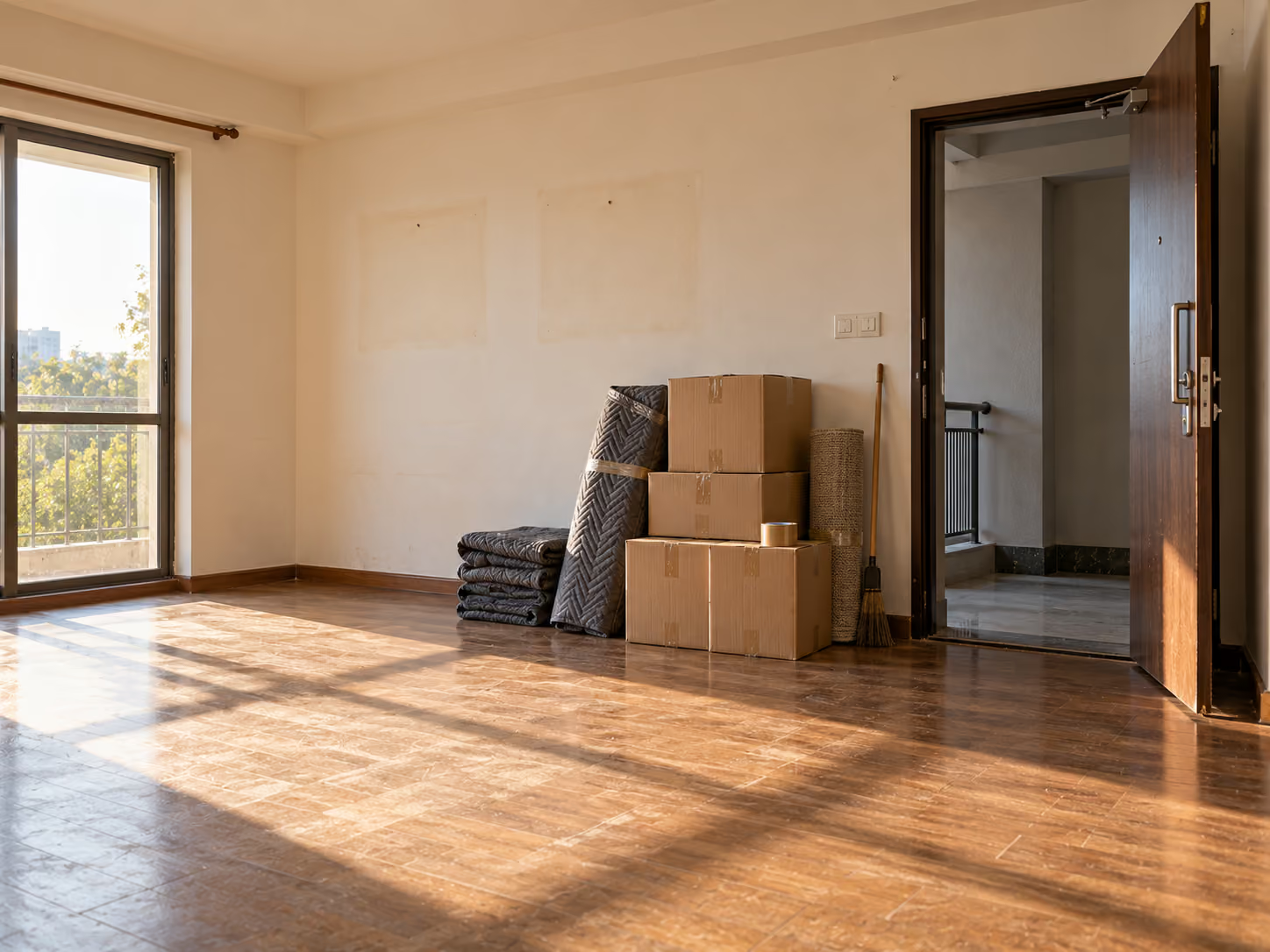
Storage is rarely something people plan for. It usually appears when two dates refuse to line up: the day you have to leave one home, and the day you can move into the next.
Whether it is worth it depends mostly on the length of the gap. This guide helps you decide, and shows what storage between homes involves.
The Usual Reasons
- A lease ends before the new flat is handed over, often because a builder’s possession date has slipped (see storing goods during a delayed possession)
- A society will not allow a move-in until its paperwork is cleared
- A job transfer where company housing at the new location is not yet allotted, common in employee relocations
- A renovation at the new home is running late
- A move abroad or a long posting where the household needs to be kept for months
- Downsizing, where some furniture will not fit the new home but is not ready to be sold
When Storage Helps
If the gap is more than a few days, storage is usually cheaper and safer than the alternatives.
A truck kept loaded while you wait charges by the day and leaves goods exposed to heat and damp. A friend’s garage or a spare room is rarely dry, secure or big enough, and your goods get moved twice by people who are not packers.
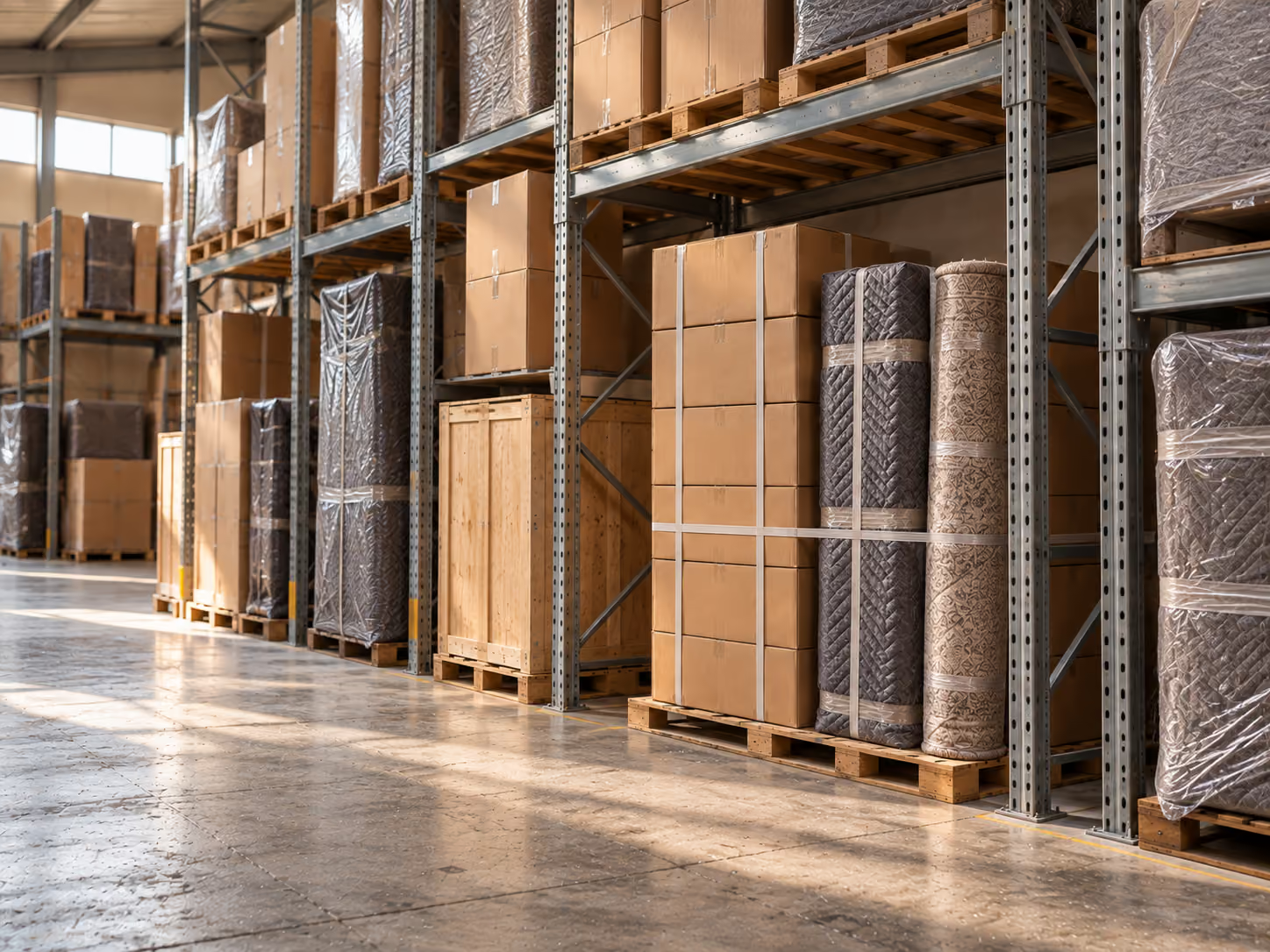
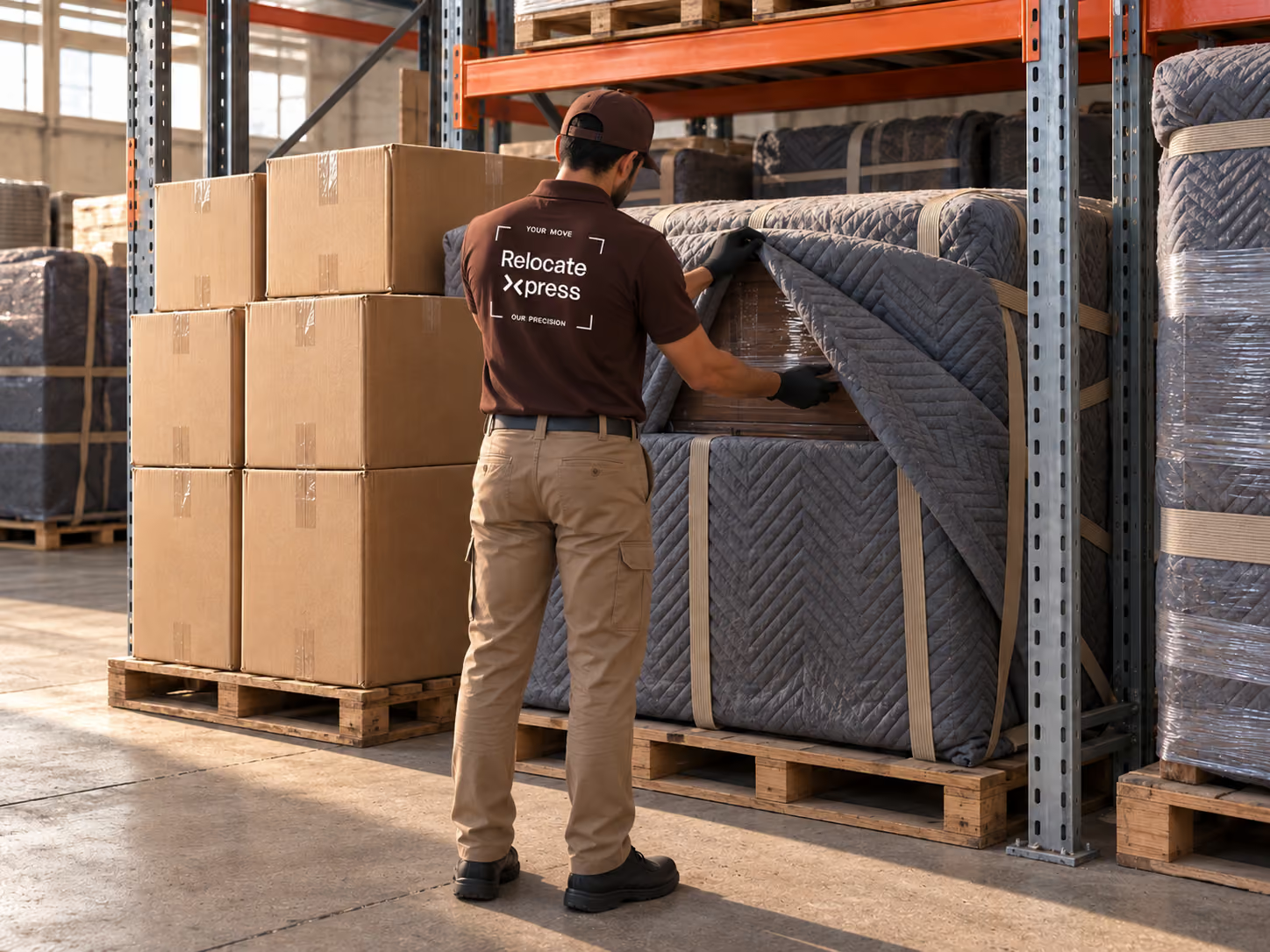
In secure storage, goods are held on racks, wrapped, counted against an inventory, and released when you are ready. Our guide to keeping goods safe in storage explains how.
When to Move Directly
If the gap is only a day or two, a direct move on an adjusted date is usually simpler. Storage adds a second delivery leg, from the warehouse to the new home, and that only earns its cost over a longer wait.
Partial Storage
Storage does not have to be all or nothing. Many customers store only part of their household:
- Furniture that will not fit a smaller temporary flat
- Seasonal items and things not needed for months
- A second household’s worth of goods when two homes merge
The rest moves directly. Partial storage costs less, because you pay only for the volume stored.
What Storage Involves
- Packing at your home. Goods are packed for storage, not just for a short journey, so they stay protected for months.
- An inventory. Every carton and item is listed and labelled as it goes in. You get a copy.
- Racking in the warehouse. Goods go onto racks, off the floor, with nothing heavy stacked on lighter items.
- Access by appointment. If you need something mid-way, it is retrieved and logged against the inventory.
- Delivery when you are ready, to the new home, with a fresh gate pass and lift slot booked there.
How It Is Priced
Storage is priced by volume and period, at a rate fixed when you book. If your new home is delayed further, the number of months changes, but the monthly rate does not.
On our storage pages:
Delivery out of storage is a separate move, quoted on the same survey. Damage Cover for the storage period is optional, at 3% of the declared value. GST applies to storage charges.
Questions to Ask Yourself
- How sure am I of the date I can move in?
- Do I need any of these things before then?
- Is temporary accommodation big enough for the furniture, or only for an essentials bag?
- Would I rather pay for a few weeks of storage than risk a rushed move into a flat that is not ready?
If the answers point to a gap of more than a few days, storage is usually the calmer, cheaper choice. Talk to us at the survey, and the move-out, storage and delivery can all be planned and priced together.