Possession dates on new flats slip often. A builder promises handover in March; the keys arrive in June. And the delay usually becomes clear only after you have given notice on your current home, booked the school admission and told everyone your new address.
You cannot stay, and you cannot move in. This guide explains the usual way through that gap, and how to keep it from costing more than it should.
The Problem
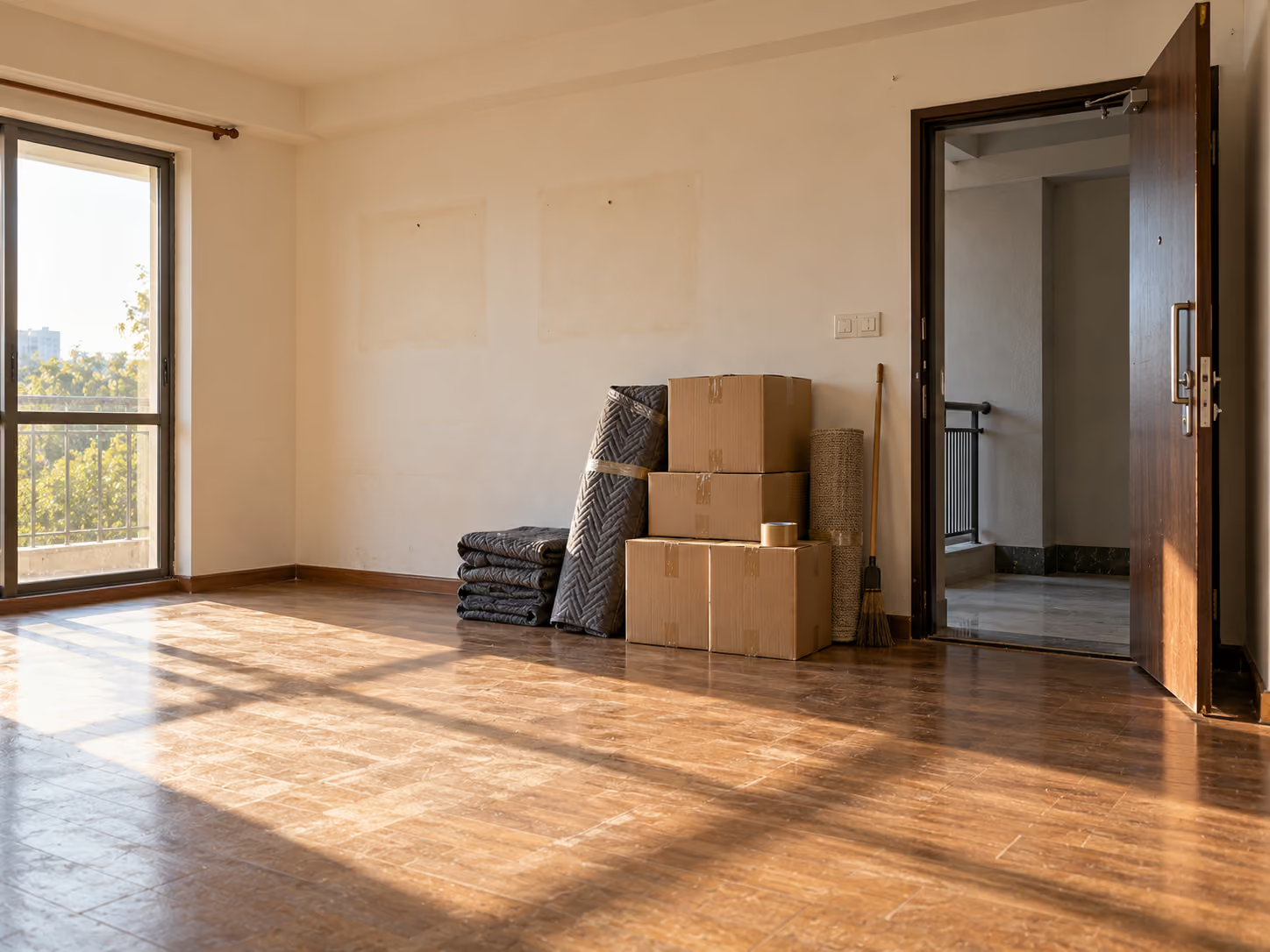
Your lease ends on a fixed date, and your landlord has already found the next tenant. The new flat is not ready: the lift is not working, the occupancy certificate is pending, or the interiors are still being finished.
The tempting shortcut is to keep your goods on a loaded truck for a few days, or in a relative’s garage. Both are risky. A truck charges by the day and leaves your goods exposed to heat and damp. A garage is rarely secure or dry, and your goods are moved twice by people who are not packers.
The Usual Fix
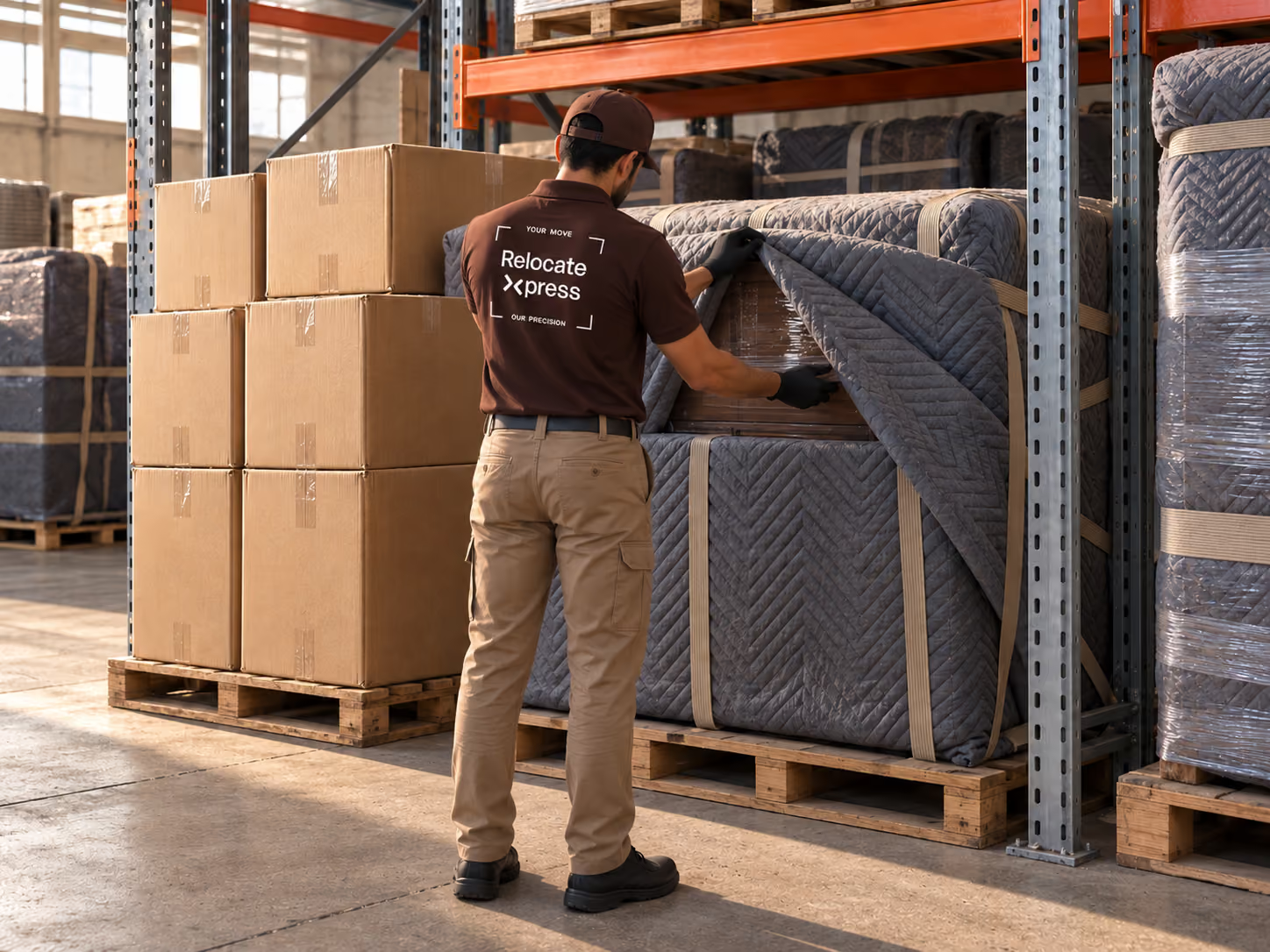
Your goods leave your old home on the day your lease ends and go straight into secure storage. When the new flat is handed over, they are delivered from the warehouse, not brought back to you first.
That means:
- One packing, done properly, at your old home
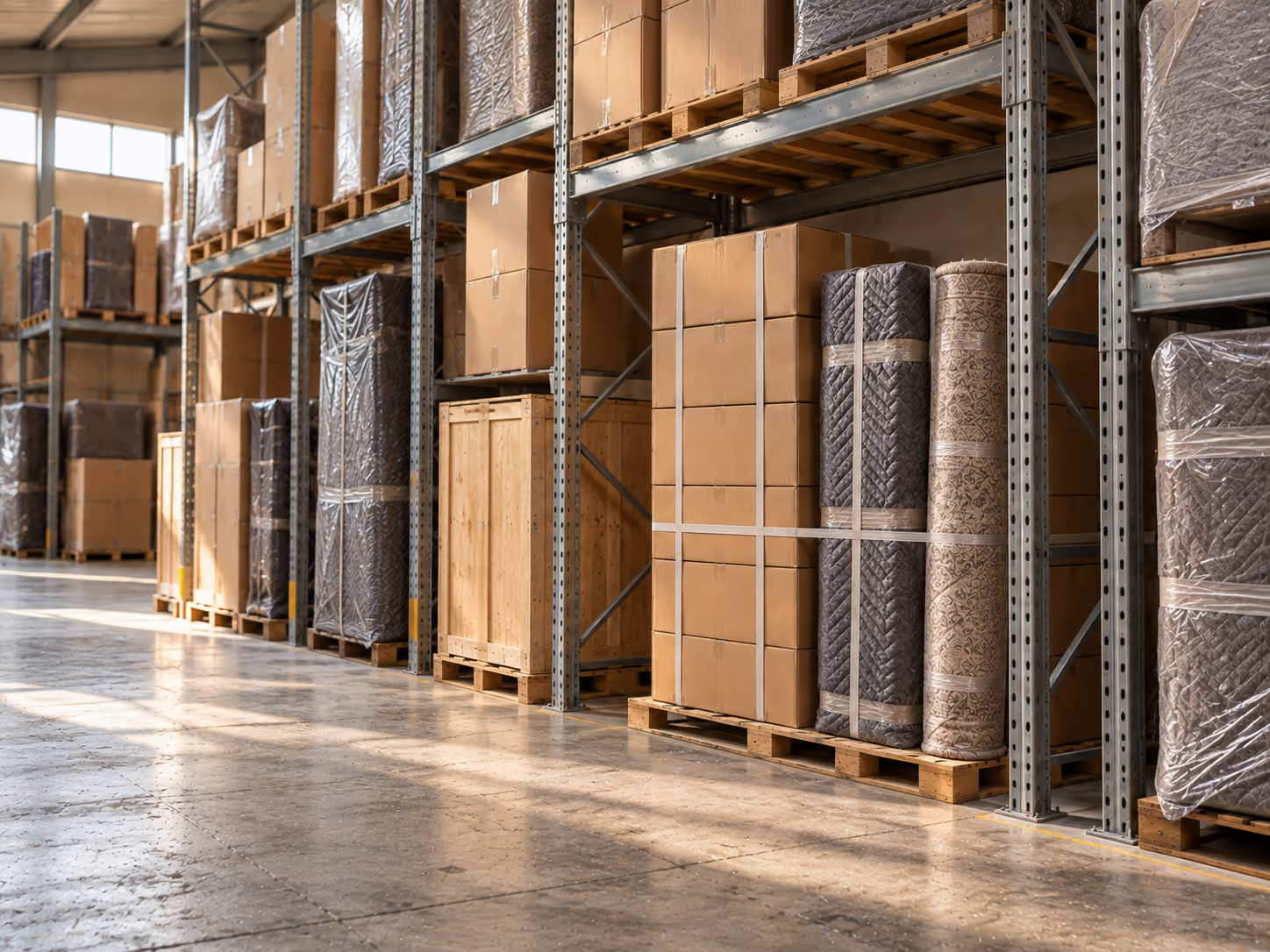
- Secure storage on racks, with an inventory, for as long as the delay lasts
- One delivery to the new flat when it is ready
You move into temporary accommodation with an essentials bag, and your household waits safely until the new home is ready.
What to Arrange
- Fix the move-out date to your lease end. Book the survey early, so the move-out does not depend on the new flat at all.
- Book storage with an open end date. You do not need to know when possession will happen. The storage runs until you are ready.
- Keep out what you need. Pack a separate set of cartons with clothes, school things and anything you will use in the meantime, and take them with you.
- Plan the delivery when the date is clear. Book a fresh gate pass and lift slot at the new society once the handover date is confirmed; our guide to society paperwork lists what to ask for.
Checking the New Flat Before Delivery
New buildings are often only partly ready even after handover. Before you ask for delivery, check:
- Is the goods lift working, and has the society opened lift bookings?
- Is there power and water in the flat?
- Is the society issuing gate passes and accepting move-ins?
- Are the interiors finished, so furniture is not placed in a room still being worked on?
A delivery into a flat that is not ready means goods sitting in a corridor, or a second trip.
How It Is Priced
The monthly storage rate is fixed at booking. If possession is delayed again, the number of months changes, but the rate does not. On our storage pages, a 2 BHK costs about ₹6,000 a month to store, with weekly rates for short gaps and three-monthly rates for long ones.
Delivery out of storage is quoted on the same survey as the move-out, so you know the full cost from the start. It is not a second quote negotiated later, when you have less choice.
If the Delay Is Short
If the new flat is only a few days late, storage may not be worth it. A direct move on an adjusted date is simpler, because storage adds a second delivery leg. Our guide on when storage between homes makes sense explains where the line usually falls.
Cover During the Wait
Anything on your storage inventory that goes missing is paid at its current value, for the whole wait. Damage Cover, at 3% of the declared value, is optional and runs for the whole storage period if you choose it. Its cost is shown in your quote. For a long or uncertain wait, it is worth considering. Our guide to keeping goods safe in storage explains how stored goods are protected.
A Word for Buyers
If you are buying a flat in a project that is still under construction, plan for the possession date to move. Ask your builder for the current expected date in writing, keep your lease flexible near that date if you can, and talk to us about storage before you give notice, not after.
A delayed handover is frustrating, but it does not have to mean moving your household twice.